
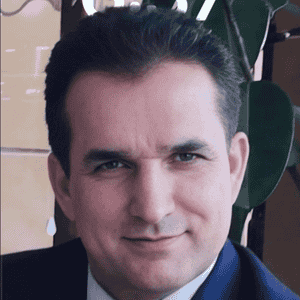
Segvan Kucher
University of Zakho, IraqPresentation Title:
Misleading EEG in myoclonic epilepsy: Misdiagnosis, unnecessary surgery, and psychosocial harm
Abstract
Objective: To evaluate the frequency, consequences, and treatment outcomes of misdiagnosis in myoclonic epilepsies (MEs), with emphasis on inappropriate antiseizure medication (ASM) use, unnecessary surgical interventions, psychosocial harms, and ASM optimization outcomes.
Methods: A prospective observational-interventional study of 100 patients with confirmed MEs was conducted at a specialized epilepsy clinic. Inadequate management of ASM was characterized by the misuse of ASM or incorrect classification continuing for one year or more. Demographic, clinical, EEG, treatment, and outcome information were gathered, and ASM treatment plans were adjusted based on the accurate identification of the underlying syndrome.
Results: Out of 100 patients, twenty-four (24%) were misdiagnosed, and of those 11 patients underwent prolonged mismanagement that persisted for 1-3 decades. The EEG patterns included generalized epileptiform discharges in 65%, mixed focal-generalized in 20%, pure focal in 10%, and normal in 5%. All twenty-four misdiagnosed patients had been maintained on narrow-spectrum ASMs that worsened the seizures. Two patients underwent unnecessary surgical interventions: one vagus nerve stimulation (VNS) implantation and one planned corpus callosotomy. The psychosocial consequences included unemployment, repeated injuries, divorce, one suicide attempt, and two epilepsy-related deaths. Every time the appropriate ASM was used, myoclonic jerks and falls were near completely resolved, and led to a 90% decrease in the attacks of generalized tonic-clonic seizures, improved EEG readings and psychosocial functioning.
Significance: Misdiagnosis of MEs can persist for decades, leading to avoidable surgical procedures and substantial psychosocial burden. Improved EEG interpretation, accurate syndromic classification, and evidence-based ASM selection are essential to prevent long-term harm.
Keywords: juvenile myoclonic epilepsy, misdiagnosis, antiseizure medications, psychosocial outcomes
Biography
Dr. Segvan Kucher is a Kurdish-Iraqi neurologist, neurophysiologist, lecturer, and PhD candidate in Neuroscience with more than 20 years of experience in clinical neurology, epilepsy, electroencephalography (EEG), electromyography (EMG), and medical education. He currently works as a consultant neurologist and director of the Neurology and Electrodiagnostic Neurophysiology Clinic at Shiryan Private Hospital in Duhok, Kurdistan Region, Iraq. He graduated from the College of Medicine, University of Duhok, and later obtained a Diploma in Clinical Neurology from University College London (UCL), United Kingdom, and a Higher Diploma in Neurology. He is currently a lecturer at the Universities of Duhok and Zakho, where he teaches neurology and neurophysiology to medical students. Throughout his career, he has held several academic and clinical leadership positions, including Head of the Neurology Department at Azadi Teaching Hospital and Head of the Neurology Block and Nervous System Module at the College of Medicine, University of Zakho. His principal areas of interest include epilepsy, stroke, movement disorders, multiple sclerosis, and neurophysiology. He has participated in numerous regional and international neurology conferences and is a member of the European Academy of Neurology and the American Academy of Neurology.

Organization Location
1309 Coffeen Avenue, STE 1200, Sheridan, Wyoming 82801, USA
General Enquiry
contact@scientexconferences.com
Finance Enquiry
finance@scientexconferences.com
Call us at
USA : (+1) 872 295 6162